Courses
LEAD ABATEMENT RENOVATOR
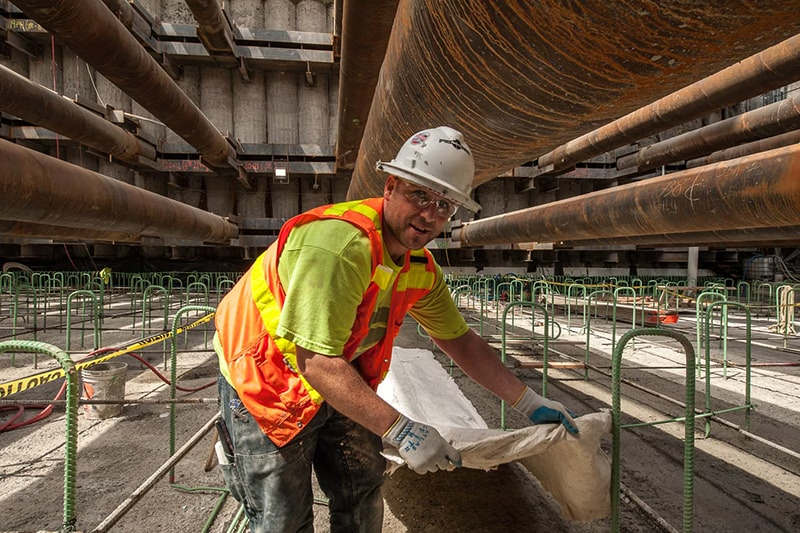
Occupational lead exposures are exposures that occur on the job. Adults working in lead associated industries, such as smelting, auto body repair, battery manufacturing, and home remodeling, will have increased exposures to lead. In addition, they may expose their families by bringing lead-contaminated dust into their home on dirty work clothes, shoes, hair, and body.
Structures made of iron or steel that are exposed to weather elements will develop rust problems. Bridges, water towers, stadiums, and utility towers fall into this category. To prevent the occurrence of rust, these structures need a protective coating. Paints with lead additives were the best way to protect metals. Iron and steel structures throughout the country had been coated with lead-based paint for decades.
Lead paint coatings on iron, steel and concrete creates hazards when cut with torches and saws. Lead melts at 621°F and boils at 3,164°F, well below the temperature at the tip of a cutting torch. The lead is vaporized when exposed to the high temperatures and this vapor can then be inhaled. Dust is created by saws, scraping, sanding or sandblasting lead-coated materials. This dust is hazardous because it can be inhaled, and it will settle on skin, hair or clothing.
Residential homes, apartments and buildings built before 1978 most likely will contain lead-based paint. 87% of residential buildings built before 1940 will have lead-based paint while 24% of homes built between 1960 and 1978 will have lead-based paint. Lead is known to cause a range of health effects, from behavioral problems and learning disabilities, to seizures and death. Children six years old and under are most at risk from exposure lead-based paint because they crawl on the floor, and they put their hands and other items that may contain lead-based paint dust into their mouths. Because their bodies are still growing, children tend to absorb more lead than adults.
The Occupational Safety and Health Administration (OSHA) lead standard for construction is referred to as 29 CFR 1926.62 (Code of Federal Regulations). Washington state lead regulations are defined in WAC 296-155-176.
COURSE
LEAD ABATEMENT (WORKER) – 40 HOURS / 5 DAYS
Abatement is the intentional and permanent elimination of lead-based paint and lead-based paint hazards. This course focuses on safety and health hazards and the safe removal and handling of lead-based paints. It meets Environmental Protection Agency (EPA) and OSHA requirements. It covers the following topics:
- History of lead and its uses
- Health effects
- Regulatory requirements
- OSHA requirements for lead in construction
- Personal protective equipment (PPE)
- Abatement methods
- Work practices & engineering controls
- Hazard communication
- General safety on the job
After successful completion of this course, worker candidates must apply for state certification through the Department of Commerce. This class is applicable to Washington state only. Certification is valid for a period of three years.
COURSE
LEAD ABATEMENT (SUPERVISOR) – 40 HOURS / 5 DAYS
Abatement is the intentional and permanent elimination of lead-based paint and lead-based paint hazards. This course focuses on the regulatory aspect of supervising the lead abatement project and of lead-based paint in child-occupied facilities. Topics in this course include:
- History of lead and its uses
- Health effects
- Lead regulations
- Personal protective equipment (PPE)
- Site safety
- Sampling methods
- HUD inspection and risk assessment
- Residential/HUD work practices, abatement methods, z disposal requirements
- Hazard communication
After successful completion of this course, supervisor candidates must apply for state certification through the Department of Commerce. They must also have at least one year of experience as a certified lead-based paint abatement worker or have at least two years experience in environmental remediation. This class is applicable to Washington state only. Certification is valid for a period of three years.
COURSE
LEAD ABATEMENT RENOVATOR – 16 HOURS / 2 DAYS
Renovation, Repair and Painting (RRP) aims to minimize exposure to lead-based paint dust during renovation, repair, or painting activities. Firms performing renovation, repair and painting projects that disturb lead-based paint in pre-1978 homes, childcare facilities and schools must be certified as RRP by the Department of Commerce. Common renovation activities like sanding, cutting, and interior demolition can create hazardous lead dust and chips and harm adults and children. It is the law to use RRP certified renovators who have been trained by an approved training provider to follow lead-safe work practices.
This course focuses on safety and health hazards and procedures for those performing renovation work. Topics covered include:
- Personal protective equipment (PPE)
- Health effects
- Monitoring requirements
- Regulatory requirements
- OSHA requirements for lead in construction
- Work practices
- Hazard communication
- General safety on the job
After successful completion of this course, RRP candidates must apply for state certification. This class is applicable to Washington state only. Certification is valid for a period of five years.